Degreaser, Detergent, Emulsifier, Wetting Agent
Our advanced formulation acts simultaneously as a degreasing agent, stain remover, wetting agent, detergent, and emulsifier, making it an indispensable solution for the washing, desizing, and bleaching of cotton and its blends. Designed for versatility, it performs with equal efficiency in both continuous and exhaust methods, ensuring consistent results across a wide range of textile operations.
With its high concentration of 85% active solids, Casdiscour Max Conc delivers outstanding performance even at low dosages, reducing product consumption and maximizing cost-effectiveness. By deeply penetrating fibers, it removes stubborn grease, oils, and weaving stains while promoting optimal wetting and uniform fabric preparation.
This not only improves whiteness and cleanliness but also enhances the efficiency of subsequent finishing treatments. Whether used in pretreatment or bleaching lines, Casdiscour Max Conc guarantees higher process efficiency, cleaner fabrics, and brighter results, giving manufacturers the confidence to deliver textiles that consistently meet the highest standards of quality and performance.

The degreaser removes oils, greases, and waxes from fibers, allowing better wetting and dye absorption. This ensures uniform dyeing, prevents stains, and prepares the fabric for high-quality finishing, optimizing the production process and reducing defects.
Note: Washing with Casdiscour Max Conc was performed at 85°C Celsius with 1 g/l.
For the exhaustion process, the amounts to be used depend on the amount of solids contained in the product. In this way, we can compare solid by solid which is the best.
| Product | Amount (g/L) |
|---|---|
| Casdiscour Max Conc | 0.55 g/l |
| Casdiscour FC Conc | 0.80 g/l |
| Product | CIE Whiteness Grade | Wetting | Capillarity |
|---|---|---|---|
| Casdiscour Max Conc | 78.95 | Immediate | 2.1 cm |
| Casdiscour FC Conc | 77.03 | Immediate | 2.4 cm |
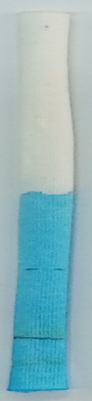
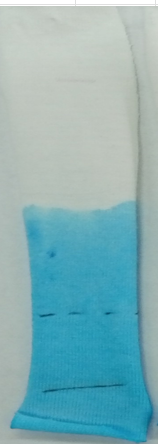
Capillarity in textiles is an important physical phenomenon that refers to the ability of fabrics to transport liquids through their fibers and the spaces between them. Here’s a detailed explanation of this concept:
The capillarity test in textiles is a simple yet effective method for evaluating how a fabric absorbs and transports liquids. It is conducted by suspending a vertical strip of fabric with its lower end submerged in water, measuring the height the liquid reaches in one minute. This test is crucial for textile quality control, as it allows for the assessment of finishing treatment effectiveness and the determination of fabric suitability for various uses, especially in sports and technical clothing where moisture management is essential. The results indicate absorption capacity, liquid transport speed, and process uniformity, key factors in ensuring the performance and quality of the final product.
Rises 2.1 cm in 1 minute
Rises 2.4 cm in 1 minute
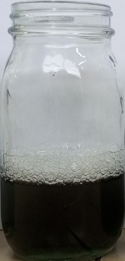
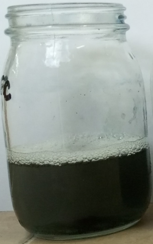
In textile processing, dispersion refers to the ability of a chemical to evenly distribute oils, waxes, pigments, or impurities in water so they can be removed or treated effectively. A detergent, emulsifier, or degreaser with strong dispersing power ensures that unwanted substances do not reattach to the fabric, leading to cleaner, brighter, and more uniform results.
| Product | Amount (g/L) |
|---|---|
| Casdiscour Max Conc | 0.7 g/l |
| Casdiscour FC Conc | 1.70 g/l |
Note: The darker and more even, the better!
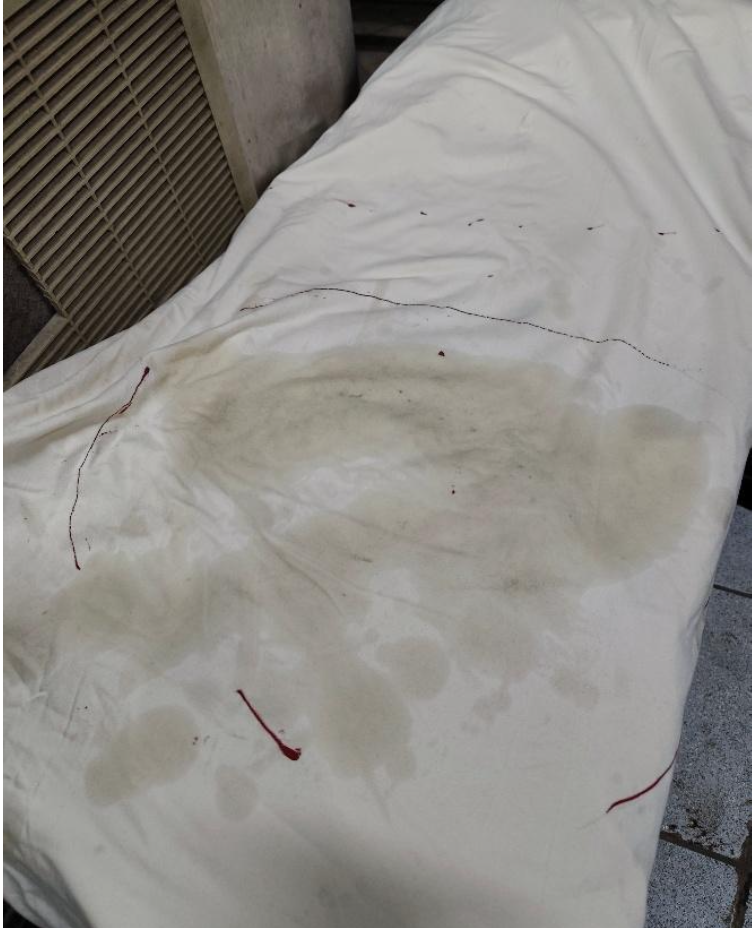
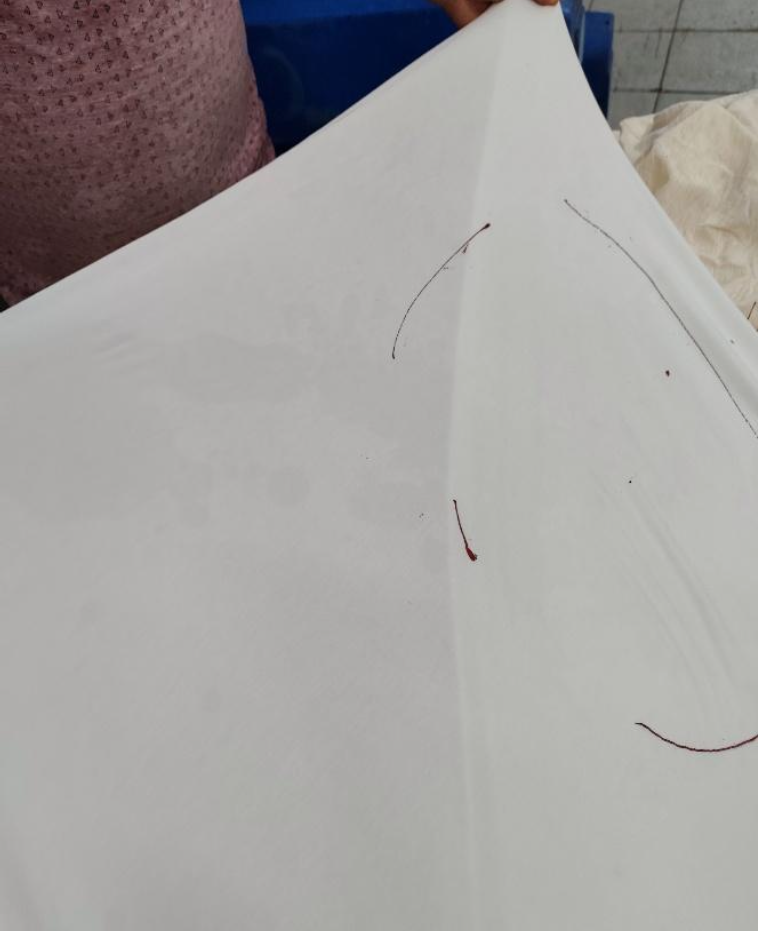
One of the main risks in textile preparation is yellowing. This occurs when oils, waxes, lubricants, or impurities are not properly removed or when they redeposit onto the fabric during processing. Yellowing not only affects the appearance but can also interfere with dyeing and finishing, causing uneven shades and reduced fabric quality.
| Product | Amount (g/L) |
|---|---|
| Casdiscour Max Conc | 3.5 g/l |
| Casdiscour FC Conc | 8.50 g/l |
| Product | Yellowing |
|---|---|
| Sin | 30.11 |
| Casdiscour Max Conc | 26.1 |
| Casdiscour FC Conc | 25.68 |
Note: The lower the value, the better!